
M350 AUPHY Mechanical Metronome
4.4Editor score
High-strength PC material
Metal clockwork movement
Accent bell functionality
This guide compares the top 10 mechanical metronome for piano models based on precision, sound quality, and durability to help musicians choose the perfect
Finding the right mechanical metronome for piano can transform your practice sessions significantly. These classic devices offer a tactile experience that digital apps often lack, providing a steady beat without relying on batteries or screens.
We analyzed ten highly rated options available today to bring you this comprehensive list. Each product was evaluated on build quality, tempo range, sound clarity, and ease of use for musicians of all skill levels.
Each pick highlights unique strengths to help you find the perfect match for your needs. Please note that product availability and pricing may change over time so check current listings before purchasing.
4.4Editor score

4.5Editor score

4.6Editor score
The following table provides a side-by-side comparison of all ten selected mechanical metronomes. Review the key specifications and features to determine which model best fits your specific practice requirements and aesthetic preferences.

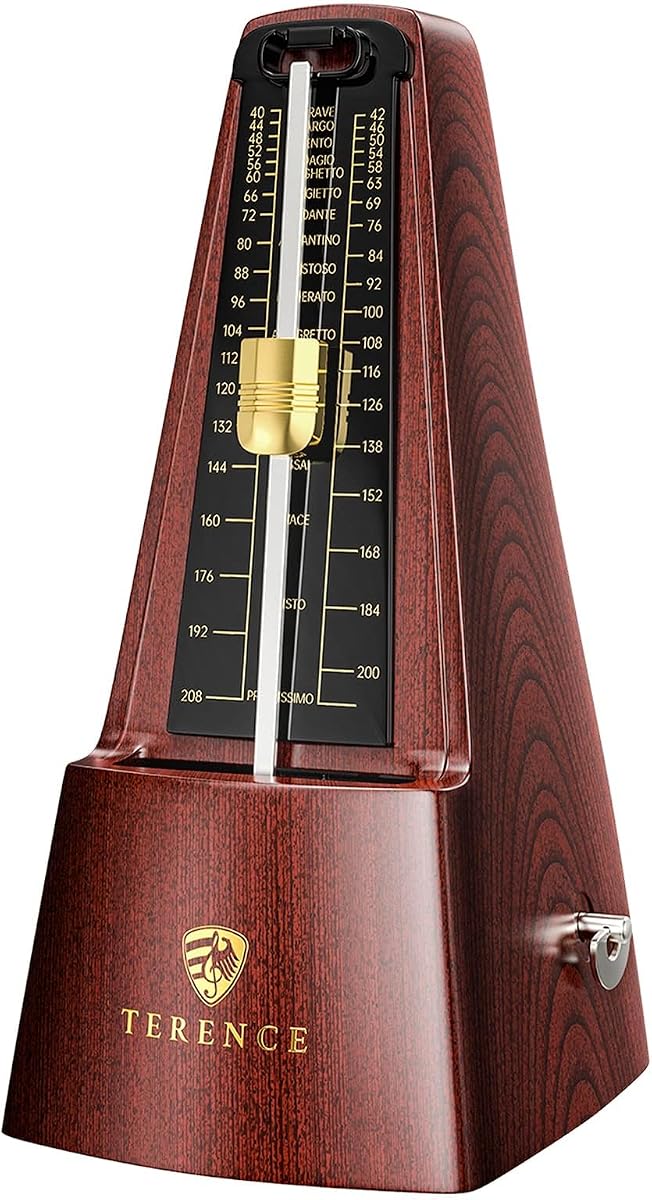


This Tempi mechanical metronome stands out with its classic brown grain veneer design that looks great on any piano bench. It holds a strong rating from users who appreciate its reliable performance and elegant aesthetic appeal.
We may earn a commission when you buy through this link, at no additional cost to you.
The steel gears ensure durability over time while the 20-minute average wind reduces interruption during practice sessions. Users highlight the visual timing provided by the pendulum swing which helps develop a stronger internal sense of rhythm.
While the price is higher than basic models the build quality justifies the investment for serious musicians. The included cleaning cloth and two-year warranty add value ensuring long-term satisfaction with the purchase.
This is an ideal choice for musicians who want a blend of form and function in their practice setup. It serves both as a precise timing tool and a stylish piece of home decor.
The brown grain veneer finish makes this metronome look like a fine musical instrument rather than just a tool.
With an average of 20 minutes per full wind you can practice longer without stopping to reset the device frequently.
We may earn a commission when you buy through this link, at no additional cost to you.
The M350 AUPHY offers excellent value for musicians seeking a reliable mechanical metronome without breaking the bank. Its classic shape and transparent dust cover combine functionality with a modern look that suits various practice environments.
We may earn a commission when you buy through this link, at no additional cost to you.
Constructed with high-strength PC and metal clockwork gears this model resists rust and corrosion while maintaining accuracy within one percent. The accent bell feature allows you to highlight specific beats which is crucial for complex time signatures.
Some users note the plastic body feels lighter than wood models but this also makes it more portable. The lowered center of gravity ensures it stays stable on the piano even during vigorous playing sessions.
This metronome is perfect for students and beginners who need a dependable tool to build rhythm skills. It balances cost and performance effectively making it a top pick for budget-conscious musicians.
Selecting beats 2, 3, 4, or 6 produces a distinct bell sound to mark the start of each measure clearly.
Tightly fitted metal gears ensure the beat remains accurate over time without rusting or corroding during use.
We may earn a commission when you buy through this link, at no additional cost to you.
Wittner is a renowned name in metronome manufacturing and this Piccolo model delivers the precision expected from their brand. It features a simple black plastic casing that keeps the focus on functionality rather than ornate decoration.
We may earn a commission when you buy through this link, at no additional cost to you.
The absence of a bell makes this model ideal for musicians who prefer a pure click sound without extra distractions. Its compact size allows it to fit easily into instrument cases making it perfect for gigging musicians.
While it lacks some of the decorative flair of other models the reliability and consistent performance are unmatched. The mechanical movement is tuned to provide a steady beat that professional musicians trust during rehearsals.
This is the best choice for professionals who prioritize accuracy and portability over aesthetic features. It remains a staple in many music schools and professional studios worldwide.
The lack of a bell provides a clean click sound that does not interfere with sensitive recording sessions.
The piccolo design is small enough to travel easily while still providing full mechanical functionality.
We may earn a commission when you buy through this link, at no additional cost to you.
The Ueteto Mechanical Metronome is designed for musicians who need a clear audible beat that cuts through background noise. Its loud sound feature makes it ideal for large practice rooms or noisy environments where quiet clicks get lost.
We may earn a commission when you buy through this link, at no additional cost to you.
Users appreciate the straightforward operation where you simply remove the brake and wind the mechanism to start. The tempo range covers 40 to 208 BPM allowing it to handle everything from slow adagios to fast allegros.
The black finish is practical and resists fingerprints while the bell ring options help you keep track of measures. While the wind time is average it is sufficient for short to medium practice sessions without frequent rewinding.
This model is excellent for students and band members who need a reliable and audible timing tool. It offers solid performance at a competitive price point for everyday practice needs.
The loud tick ensures you can hear the beat clearly even when playing loudly on a piano or drum kit.
A simple wind up process allows you to start practicing immediately without complex setup or batteries.
We may earn a commission when you buy through this link, at no additional cost to you.
This wood grain model combines aesthetic appeal with high precision performance for musicians who value accuracy. The all metal movement ensures that the internal gears do not wear down quickly maintaining tempo consistency over time.
We may earn a commission when you buy through this link, at no additional cost to you.
The beat range covers 40 to 208 BPM with selection options for 0, 2, 3, 4, and 6 beats to accommodate various time signatures. Its loud sound makes it suitable for group lessons where everyone needs to hear the tempo.
The wood grain finish adds a touch of elegance to any home studio setting while the stable performance ensures reliable timing. Beginners find it easy to use as removing the stopper and winding it up is a simple process.
It is a strong contender for those who want a traditional look with modern reliability. The metal construction ensures it will last for years of daily practice sessions without significant wear.
Using metal for all movement parts reduces friction and ensures the beat remains accurate during long practice sessions.
Simple operation steps allow new learners to start using the metronome immediately without needing technical instruction.
We may earn a commission when you buy through this link, at no additional cost to you.
This model focuses on simplicity and durability making it a great option for daily practice. The high-strength PC body protects the internal mechanism while the metal movement ensures the beat stays true to the set tempo.
We may earn a commission when you buy through this link, at no additional cost to you.
The instructions guide you through six simple steps to get started ensuring even young beginners can operate it safely. The transparent dust cover keeps the internal gears clean while allowing you to see the pendulum movement.
Wind times range from 15 to 45 minutes depending on the tempo selected which provides flexibility for different session lengths. The walnut color adds a classic touch that complements most musical instrument finishes.
It is suitable for a wide range of instruments beyond just piano including guitar and drums. The combination of affordability and reliability makes it a popular choice for home learners.
The clear six-step guide ensures anyone can set up and use the metronome correctly without confusion.
The transparent cover prevents dust from entering the gears which helps maintain accuracy over time.
We may earn a commission when you buy through this link, at no additional cost to you.
This standard model has earned a high rating from users who value its robust performance and reliability. The movement combines high-hardness plastic and metal to ensure a stable rhythm that does not drift over time.
We may earn a commission when you buy through this link, at no additional cost to you.
Multiple colors are available to match your personal style or studio decor while the heavy bell sound ensures the beats are clearly audible. It supports a wide tempo range and offers all the necessary beat selections for complex pieces.
The satisfaction guarantee includes a one-year warranty which gives peace of mind regarding the product quality. It is designed to meet the needs of various instruments making it a versatile addition to any musician's collection.
For those who want a no-fuss device with proven reliability this is an excellent choice. The high rating reflects consistent user satisfaction with its performance in real-world scenarios.
Select from multiple color options to find a metronome that matches your personal taste or studio theme.
The pronounced bell sound helps you clearly distinguish the first beat of each measure during practice.
We may earn a commission when you buy through this link, at no additional cost to you.
This wood grain model delivers a crisp tick that cuts through practice noise ensuring you stay on beat. It is designed to run for extended periods with a full wind lasting up to 54 minutes at slower tempos.
We may earn a commission when you buy through this link, at no additional cost to you.
The design is purely mechanical requiring no batteries which makes it a reliable tool even during power outages. You can choose to turn off the bell ring for a cleaner sound or use it for measure tracking.
Users should be careful when winding the key as the resistance indicates the spring is fully wound. Overwinding could damage the mainspring so stopping immediately upon feeling resistance is recommended.
This metronome is ideal for musicians who appreciate a classic look with practical long-lasting performance. The combination of sound clarity and wind duration makes it a strong contender for daily practice.
At slower tempos like 40 BPM a single wind can last over 50 minutes reducing interruptions during long practice sessions.
The audible tick is loud enough to be heard clearly even when playing loudly on acoustic instruments.
We may earn a commission when you buy through this link, at no additional cost to you.
This model features a unique transparent design that allows you to see the internal metal movement in action. The copper pendulum and metal knob are designed to be sturdy and resist rust for long-term use.
We may earn a commission when you buy through this link, at no additional cost to you.
The loud sound ensures that you do not lose the beat during practice while the precision tracking helps maintain consistent tempo. It is marketed as a great gift for beginners or students learning a new instrument.
ABS material is used for the body which is durable but may show signs of yellowing over many years of exposure to light. Despite this the internal mechanics are built to last and provide reliable performance.
It is a good choice for those who appreciate modern design aesthetics along with traditional mechanical function. The transparent look adds a visual element to practice that can be engaging for students.
Seeing the metal gears move helps students understand the mechanics of rhythm and timekeeping physically.
Using metal for the movement parts ensures the internal components do not wear out quickly from friction.
We may earn a commission when you buy through this link, at no additional cost to you.
This entry-level model focuses on providing a loud and clear sound to help musicians master rhythm efficiently. The engraved markings ensure you can easily see the tempo settings even in lower light conditions.
We may earn a commission when you buy through this link, at no additional cost to you.
It offers five tempo settings and a range suitable for most training needs making it versatile for different instruments. The operation is simple requiring only a few steps to start the beat and adjust the tempo.
While the rating is lower than other models it still serves as a functional tool for beginners on a budget. The materials are described as premium but users should check current quality control before purchasing.
It is suitable for exam candidates or educators who need a basic and audible timing tool. For those just starting out it provides a straightforward introduction to mechanical rhythm training without complexity.
The sound is designed to be loud and clear to ensure you hear the beat even in noisy environments.
Simple markings and steps make it easy for new learners to adjust the speed and start using it right away.
We may earn a commission when you buy through this link, at no additional cost to you.
Choosing the right mechanical metronome involves considering build quality sound and ease of use. This guide outlines key factors to help you make an informed decision for your musical practice.
The internal movement and external casing determine how long your metronome will last. Models with metal gears or clockwork mechanisms tend to be more durable than those with mostly plastic components. Look for units that mention rust-resistant or high-strength materials to ensure reliability over years of use.
Prioritize metal internal parts for longevity. A sturdy casing protects the movement from drops and everyday wear.
Most mechanical metronomes offer a tempo range between 40 and 208 beats per minute. This range should cover almost all musical pieces from slow adagios to fast allegros. Precision is critical because a metronome that drifts in tempo can hinder your practice progress.
Ensure the range matches your repertoire needs. Look for reviews that confirm consistent timing accuracy during use.
Since you cannot adjust the volume electronically the loudness is fixed by the device design. A clear audible click is essential for hearing the beat over your piano or other instruments. Some models include an accent bell to mark the first beat of a measure which helps with complex time signatures.
Choose a loud model if you practice in noisy rooms. Consider whether you need a bell or a simple tick.
Mechanical metronomes run on a wound spring rather than batteries. The duration of a full wind varies by model and tempo setting. Some offer up to 54 minutes on slow tempos while others may require more frequent winding. Understanding this helps you avoid interruptions during practice.
Check wind time specs before buying. Longer wind times reduce the need to stop and rewind frequently.
Simple controls make practice more enjoyable especially for beginners and children. Look for clear markings and intuitive steps like pulling a stopper and sliding a weight. Complicated setups can frustrate new users and discourage regular practice.
Select models with straightforward controls. Beginners benefit most from intuitive operation steps.
Your metronome often sits on your piano or studio desk so design matters. Options range from classic wood grain to modern transparent or black finishes. A nice design can enhance your studio environment and motivate you to use the device more often.
Match the look to your home decor. A stylish metronome becomes part of your practice space.
Mechanical devices can require adjustment or repair over time. Manufacturers that offer warranties show confidence in their product quality. Customer support availability ensures you can get help if the mechanism stops working correctly.
Look for at least a one-year warranty. Good support reduces risk when investing in quality tools.
Prices vary significantly from budget options to premium models. While more expensive units often have better materials the best value comes from matching features to your specific needs. A budget model may suffice for beginners while professionals might prefer premium durability.
Balance cost with required features. You do not need to pay for features you will not use.
Start by placing the metronome on a flat stable surface near your music stand. Remove the dust cover or protective stopper to expose the winding key and pendulum weight.
Turn the winding key clockwise until you feel resistance. Do not force it as this may damage the spring. Select your desired tempo by sliding the weight along the pendulum scale and choose the beat pattern if available.
Flick the pendulum to one side and release your hand to start the ticking. To stop the device use the brake or let it wind down completely. Store it in a cool dry place and occasionally clean the exterior with a soft cloth.
No mechanical metronomes do not need batteries. They operate using a wound spring mechanism that powers the ticking for a set period. This makes them reliable even when power is unavailable but requires regular winding.
To reset it first stop the pendulum using the brake or by hand. Wind the spring again if the device has stopped ticking and adjust the tempo weight to your desired speed. Remove any dust cover before restarting.
Uneven ticking often happens when the surface is not level or the spring is not fully wound. Ensure the device sits flat and wind the key completely. If the issue persists the internal gears may need professional adjustment.
Yes you can use it during recording but the loud tick might be picked up by microphones. Use headphones or a separate room to isolate the sound. Some models have quieter options to minimize bleed into the audio track.
Wind duration depends on the model and tempo selected. At slow speeds it can last up to an hour but at fast tempos it may only run for ten minutes. Check the specific runtime specs of your device.
Mechanical models offer a tactile experience and do not need batteries or screens which many musicians prefer. Digital ones often provide more features like multiple instruments or visual cues. The best choice depends on personal preference.
We have reviewed ten top mechanical metronomes including the Tempi for elegance and the M350 for budget value. Each offers unique strengths to suit different practice styles and studio setups.
Prioritize build quality and sound clarity when making your decision. A reliable metronome is an essential tool for developing rhythm and tempo consistency in your playing.
Always check current pricing and availability before purchasing since these may change. The right mechanical metronome will enhance your practice routine and help you achieve musical goals.