
Lenovo Business Laptop Linux Mint
4.6Editor score
Intel Core i5-1335U
16GB DDR4 RAM
Fast Charging Support
Full NumberPad Keyboard
Choosing a Linux laptop in 2026 means balancing hardware compatibility with open-source software needs. Whether you are a developer, system admin, or enthusiast, finding a machine that runs Ubuntu or Mint smoothly is crucial for productivity.
We evaluated ten real models based on processor power, RAM capacity, storage speed, and build quality. Our analysis focuses on devices that offer strong Linux support without forcing you to deal with driver headaches or bloatware.
Each pick below highlights unique strengths like ruggedness, battery life, or raw computing power. Keep in mind that availability and stock levels can change quickly, so verify details before making your final purchase decision.
4.6Editor score

5.0Editor score
5.0Editor score
As an Amazon Associate we earn from qualifying purchases.
This side-by-side comparison helps you visualize the key differences between our top ten Linux laptop recommendations. Each entry includes essential specifications like processor type, memory, storage, and display details to streamline your selection process.


This Lenovo Thinkbook stands out as our top choice for professionals seeking a reliable Linux laptop. It arrives with Linux Mint pre-installed, ensuring a smooth experience right out of the box without the need for complex driver installations.
We may earn a commission when you buy through this link, at no additional cost to you.
The Intel Core i7-8565U processor paired with 16GB of RAM delivers robust performance for multitasking and development work. The 13.3-inch FHD IPS display offers vibrant colors and sharp text, making it easy to read code or documents for hours.
While the processor is from an older generation, it remains highly efficient for daily tasks and moderate workloads. The 256GB SSD provides fast boot times, though users needing more storage may need to utilize external drives or cloud solutions.
If you want a polished, business-grade laptop that respects open-source principles, this model is an excellent investment. Its combination of build quality, security features, and Linux compatibility makes it a standout option in the current market.
Linux Mint Cinnamon provides a familiar interface that mimics Windows while offering the flexibility of open-source tools.
Hardware TPM and ThinkShutter camera privacy ensure your data remains protected during remote work or travel.
We may earn a commission when you buy through this link, at no additional cost to you.
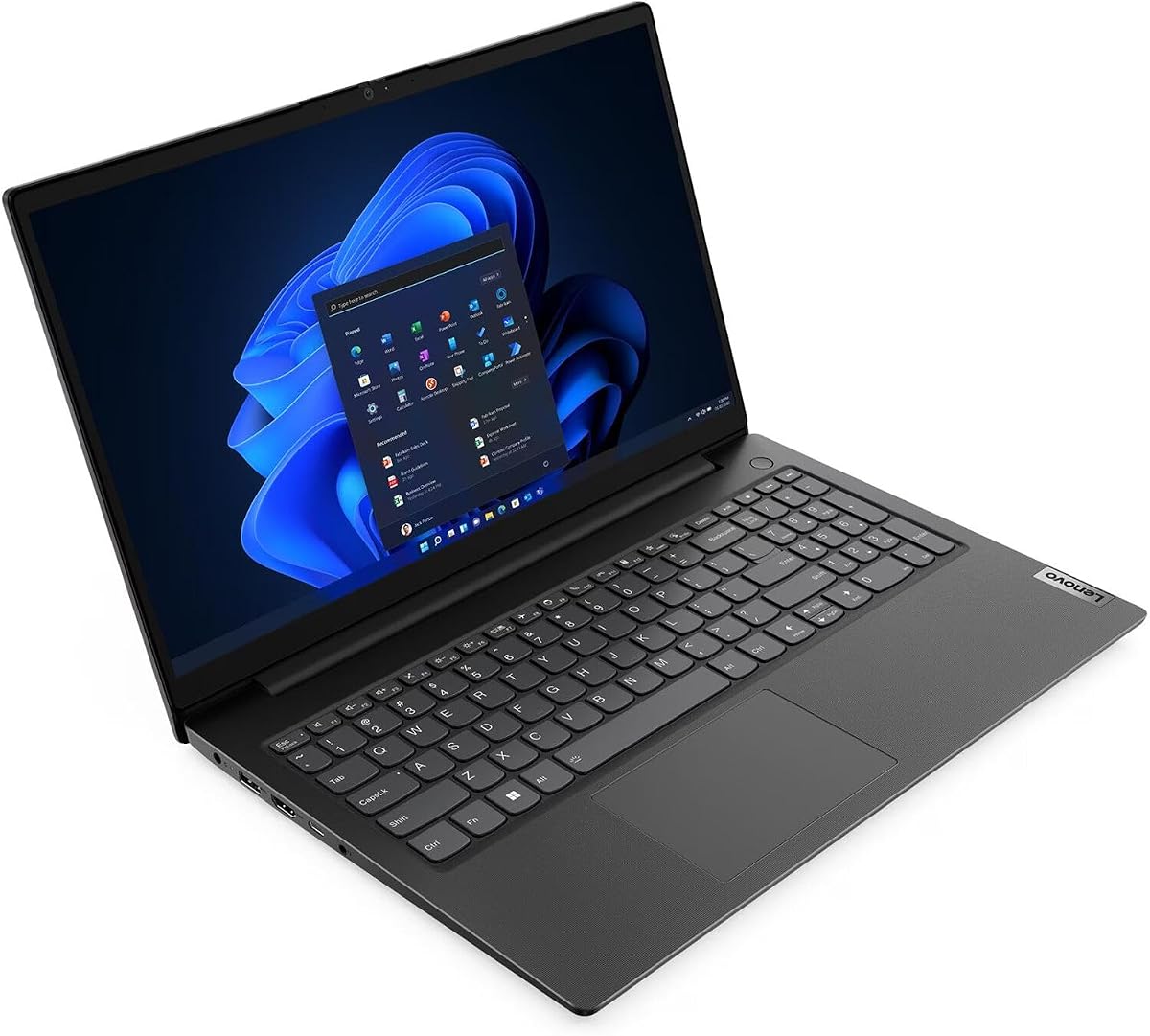
For those on a strict budget, this Lenovo Business Laptop offers impressive value with its modern processor and ample RAM. The Intel i5-1335U is a significant upgrade over older models, providing snappier performance for everyday computing tasks.
We may earn a commission when you buy through this link, at no additional cost to you.
The 15.6-inch display gives you more screen real estate for split-screen work, which is ideal for coding or data analysis. Linux Mint comes pre-installed, saving you time and ensuring all basic drivers are configured correctly for hardware.
Fast charging is a welcome feature that minimizes downtime when you are between power outlets. While the storage capacity is modest, the SSD ensures the system runs smoothly and applications launch quickly without lag or stuttering.
This laptop is perfect for students or professionals who need a reliable machine without breaking the bank. It balances performance and cost effectively, making it our top recommendation for budget-conscious Linux users.
The i5-1335U offers improved efficiency and speed compared to previous generation chips found in cheaper laptops.
Fast charging capabilities mean you can regain hours of usage in just a short time plugged into a wall.
We may earn a commission when you buy through this link, at no additional cost to you.
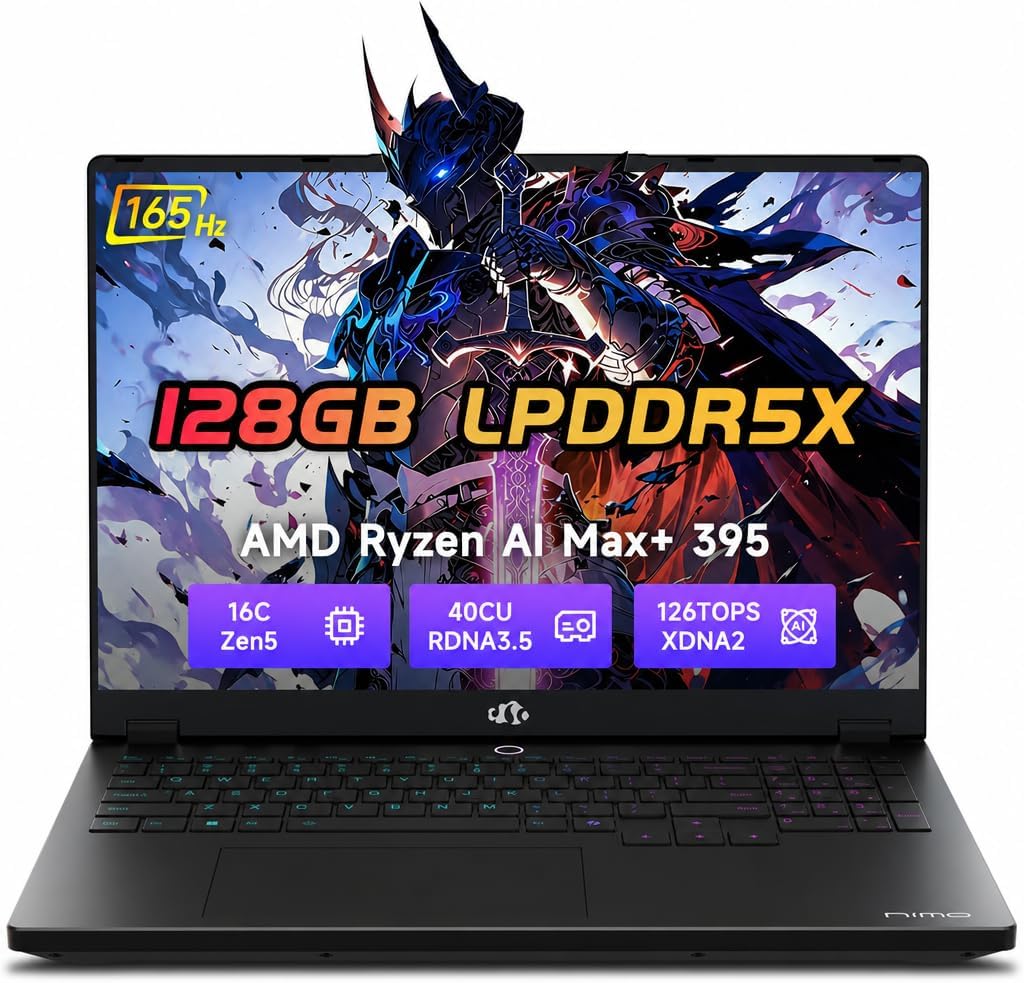
The NIMO 16 is a powerhouse designed for developers who need to run complex AI models locally. With 128GB of RAM and a specialized processor, it allows you to fine-tune large language models without relying on expensive cloud services.
We may earn a commission when you buy through this link, at no additional cost to you.
Its display is stunning with a 165Hz refresh rate and high resolution, making it great for both work and entertainment. The 4TB SSD ensures you have ample space for large datasets, virtual machines, and extensive software libraries.
Battery life is optimized for travel with a design that meets airline limits while still providing hours of usage. However, the cost is significant, and this machine is not intended for casual users who do not need its specific capabilities.
If you are building AI applications or require extreme multitasking performance, this laptop is unmatched. It represents the future of local computing where privacy and raw power are prioritized over cost or portability.
Process large language models like Llama 3 locally to ensure data privacy and reduce cloud costs.
With 128GB of LPDDR5x RAM, you can run dozens of containers simultaneously without system lag.
We may earn a commission when you buy through this link, at no additional cost to you.
This IdeaPad offers the versatility of a touchscreen, allowing for more intuitive navigation and content creation. It comes with Ubuntu pre-installed, providing a stable and secure environment for daily tasks and development work.
We may earn a commission when you buy through this link, at no additional cost to you.
The 1TB SSD is a major plus for users who need to store large files locally without relying on external drives. Combined with 16GB of RAM and an 8-core processor, it handles multitasking with ease and maintains responsiveness.
The inclusion of a stylus pen makes this ideal for artists or those who prefer sketching ideas directly on the screen. However, touch compatibility in Linux can vary depending on the application you are using at the time.
If you want a flexible laptop that can adapt to different work styles, this model is a strong contender. Its balance of storage, performance, and touch features makes it a versatile choice for creative professionals.
Use the stylus for digital notes or art while keeping your Linux desktop environment organized.
The 1TB SSD ensures you never have to worry about filling up your drive during heavy usage.
We may earn a commission when you buy through this link, at no additional cost to you.
Another version of the IdeaPad Slim 3 offers similar power in a slightly lighter configuration. It comes with Ubuntu pre-installed, ensuring you can start coding or browsing immediately without additional setup steps.
We may earn a commission when you buy through this link, at no additional cost to you.
The 512GB SSD provides a good balance between speed and capacity for most users. Its military-grade durability means it can withstand the bumps and tumbles of daily travel, making it reliable for on-the-go work.
The screen includes Low Blue Light certification, which helps reduce eye strain during long coding sessions. While it lacks some of the extra accessories found in other bundles, it focuses on core performance and longevity.
For those who want a robust yet portable machine, this laptop fits the bill well. Its combination of Ryzen processing power and Linux support makes it a solid choice for students and professionals alike.
TUV certification helps protect your vision during long hours of work or study on the screen.
Military-grade construction ensures the chassis can survive accidental drops and rough handling.
We may earn a commission when you buy through this link, at no additional cost to you.
The Panasonic Toughbook is built for field professionals who need a laptop that can survive harsh conditions. With MIL-STD certification and a sunlight-readable display, it is ideal for outdoor work or industrial environments.
We may earn a commission when you buy through this link, at no additional cost to you.
Its inclusion of a legacy serial port allows direct connection to industrial machinery without needing adapters. The integrated 4G LTE ensures you stay connected even when Wi-Fi is not available in remote locations.
While the hardware is older and heavier than modern ultrabooks, its durability is unmatched in this comparison. The Ubuntu Linux installation ensures you can use open-source tools for diagnostics and field software effectively.
If your work involves construction, logistics, or heavy machinery, this rugged machine is worth the investment. It prioritizes reliability and connectivity over speed, making it a niche but essential tool for many users.
Integrated 4G LTE keeps you online anywhere without needing a mobile hotspot device.
Legacy serial ports connect directly to older industrial systems without extra dongles or adapters.
We may earn a commission when you buy through this link, at no additional cost to you.
The ThinkPad L14 Gen 5 brings modern hardware to the Linux world with DDR5 RAM and a Ryzen PRO processor. It ships with a Vanilla Linux system, offering a clean slate for developers who prefer to choose their own environment.
We may earn a commission when you buy through this link, at no additional cost to you.
The 14-inch WUXGA display offers higher resolution than standard HD, making text and graphics sharper. Its fingerprint reader adds a layer of security that is useful for protecting sensitive corporate data during travel.
While the keyboard comes with stickers due to its original layout, it functions effectively once set up. The DDR5 RAM ensures future-proofing for demanding applications that require faster memory access speeds.
If you prioritize business-grade reliability and modern memory technology, this model stands out. It is built for corporate use and adapts well to open-source environments without compromising on core features.
DDR5 RAM delivers faster speeds than DDR4, improving system responsiveness for heavy multitasking.
Vanilla Linux means no pre-installed software, giving you full control over your development environment.
We may earn a commission when you buy through this link, at no additional cost to you.
This variant of the Thinkbook prioritizes storage and memory for users who need to run many virtual machines. The 32GB of RAM allows for heavy multitasking, while the 1TB SSD ensures you have space for large projects.
We may earn a commission when you buy through this link, at no additional cost to you.
The HDR display adds visual fidelity to media consumption, making it pleasant to watch movies after work. Linux Mint is pre-installed, ensuring a familiar interface for those transitioning from Windows or other systems.
The fingerprint reader offers quick and secure access to your system without typing passwords repeatedly. However, the processor is older, so it might struggle with very modern high-load gaming or rendering tasks.
If you need a balance of RAM and storage for development work, this model is excellent. It offers the power needed for complex environments while maintaining a sleek and professional form factor.
32GB RAM allows you to run multiple VMs or containers simultaneously without slowdown.
1TB PCIe SSD ensures rapid access to large datasets and project files locally.
We may earn a commission when you buy through this link, at no additional cost to you.
This Thinkbook variant offers a balanced configuration suitable for most professional users. The 1TB SSD provides ample room for storage, and the pre-installed Linux Mint ensures immediate usability without configuration delays.
We may earn a commission when you buy through this link, at no additional cost to you.
The 16GB of RAM is standard for modern business laptops and handles typical workloads well. Its aluminum body contributes to a premium feel, while the backlit keyboard is comfortable for typing in low-light environments.
The Trusted Platform Module chip adds hardware-level security to protect your data from unauthorized access. Although the processor is older, it remains efficient for office tasks, browsing, and general development work.
If you want a reliable, secure laptop with plenty of storage for professional use, this is a solid pick. It balances performance and design effectively without needing extra customization steps after purchase.
dTPM 2.0 provides strong encryption and security for sensitive corporate data.
The backlit keyboard and aluminum body ensure comfort during extended work sessions.
We may earn a commission when you buy through this link, at no additional cost to you.
This model offers a larger screen and more RAM than many others, which is beneficial for multitasking. The 1TB Hard Disk Drive provides plenty of space for files, though it is slower than a modern SSD.
We may earn a commission when you buy through this link, at no additional cost to you.
Linux Mint comes pre-installed, giving you a stable environment for work or study. The 15.6-inch display is comfortable for viewing long documents, though the resolution is standard HD rather than Full HD.
With 20GB of RAM, this machine can handle multiple applications at once without significant lag. Fast charging helps you stay productive when working away from a power source for extended periods.
If you prioritize screen size and memory capacity over display sharpness, this laptop is a good option. It remains a practical choice for office work where budget and utility are the primary concerns.
20GB RAM allows for smooth operation with many open tabs and applications simultaneously.
The 15.6-inch screen provides a wide workspace for detailed tasks and analysis.
We may earn a commission when you buy through this link, at no additional cost to you.
Selecting the right Linux laptop requires understanding how hardware interacts with open-source operating systems. Here are key factors to consider before you buy.
Modern processors like Intel Core i5 or i7 and AMD Ryzen offer the best balance of speed and power efficiency. Look for models with multiple cores to handle multitasking and development environments smoothly.
Prioritize recent generations to ensure better compatibility with Linux kernels and drivers.
RAM is critical for running virtual machines or multiple containers. Aim for at least 16GB to ensure smooth performance during heavy workloads.
More RAM allows you to run more applications simultaneously without system slowdowns.
Solid State Drives are essential for fast boot times and quick application loading. Avoid Hard Disk Drives if possible for better overall system responsiveness.
PCIe NVMe SSDs provide the highest speeds for large files and databases.
High-resolution screens reduce eye strain during long coding sessions. Look for IPS panels to ensure good viewing angles and color accuracy.
Higher resolution allows you to fit more code or windows on the screen at once.
Check if the laptop comes pre-installed with Linux or supports it out of the box. Pre-installed systems save time on driver setup and configuration.
Laptops from brands like Lenovo often have better hardware support for Linux distributions.
Long battery life is necessary for working on the go without constant access to power outlets. Look for efficient processors and large battery capacities.
A laptop that lasts all day ensures uninterrupted productivity during travel or meetings.
Aluminum or magnesium chassis provide durability and better heat dissipation than plastic. Business-grade laptops often have stronger hinges and robust designs.
High-quality build ensures your machine can withstand daily wear and tear over years.
Ensure the laptop has enough USB ports, HDMI, and SD card readers for your peripherals. Fast Wi-Fi and Bluetooth are also important for modern workflows.
Versatile connectivity reduces the need for extra adapters and docking stations.
Keep your system updated regularly to ensure security patches and new features are installed. Linux distributions provide easy tools like software centers to manage these updates without hassle.
Use the built-in package managers to install software rather than downloading random scripts. This keeps your system organized and reduces the risk of installing malicious code.
Maintain physical care by keeping the device cool and avoiding extreme temperatures. Clean the screen with a microfiber cloth and ensure vents are free of dust to prevent overheating.
Most of these laptops come with Ubuntu or Mint pre-installed, meaning they are ready to use immediately. Hardware drivers are generally well-supported for Lenovo and Panasonic devices on Linux.
Yes, all these laptops support Windows installation. However, you may need to download specific drivers from the manufacturer's website after switching operating systems.
16GB is sufficient for most web development and scripting tasks. However, if you run multiple virtual machines or large containers, consider models with 32GB or more.
Linux offers better privacy, fewer forced updates, and lower resource usage. It is also ideal for developers who work with open-source tools and need a stable environment.
While some models can handle casual gaming, they are primarily designed for productivity. For heavy gaming, consider models with dedicated graphics or desktop setups.
Use the built-in software update tool or command line package managers like apt. Regular updates keep your system secure and ensure hardware drivers remain compatible.
Our top picks cover a wide range of needs from budget-friendly options to powerful AI machines. Whether you need a rugged device or a premium ultrabook, there is a model here to suit your workflow.
Prioritize RAM and storage if you run complex applications. Also, check compatibility for any specific peripherals you rely on before finalizing your choice.
Prices and availability can shift quickly, so confirm the details on the product pages before buying. Stay informed to ensure you get the best value for your technology investment.