
Intel Celeron G3900
4.6Editor score
2.80 GHz base clock speed
Low power consumption design
Integrated Intel HD graphics
This guide compares ten top low power CPU options for efficiency and performance, helping you choose the right processor for your specific computing needs
Finding the right low power CPU is essential for building energy-efficient systems that run cool and quiet without sacrificing necessary performance for daily tasks or specialized applications.
We compared these ten processors based on core counts, thread availability, thermal design power ratings, and real-world performance metrics to ensure you get reliable value for your investment.
Each pick highlights unique strengths like integrated graphics or cache sizes, but remember that stock fluctuate frequently so verify current listings before finalizing your hardware purchase decision.
4.6Editor score
4.7Editor score

4.1Editor score
The following table provides a side-by-side overview of each processor to help you quickly compare key specifications like core counts and socket types for your build requirements.


The Intel Core i7-6700T is a low power CPU option designed for users seeking efficiency without compromising significantly on processing capabilities for office or home tasks.
We may earn a commission when you buy through this link, at no additional cost to you.
It features four cores and eight threads which allow for smooth multitasking while maintaining a 35W thermal design power that keeps heat output and energy use low.
While it lacks a cooler in the box and belongs to an older generation its performance remains reliable for many legacy or light-duty setups that prioritize power savings.
Buy this if you need a proven quad-core processor for a silent or low-heat build and already have a compatible fan and motherboard available for installation.
This CPU draws less power than standard models reducing electricity costs over time while still handling web browsing and document editing with ease.
It fits LGA1151 sockets allowing upgrades in existing systems where power limits or cooling constraints require a more efficient processor option today.
We may earn a commission when you buy through this link, at no additional cost to you.
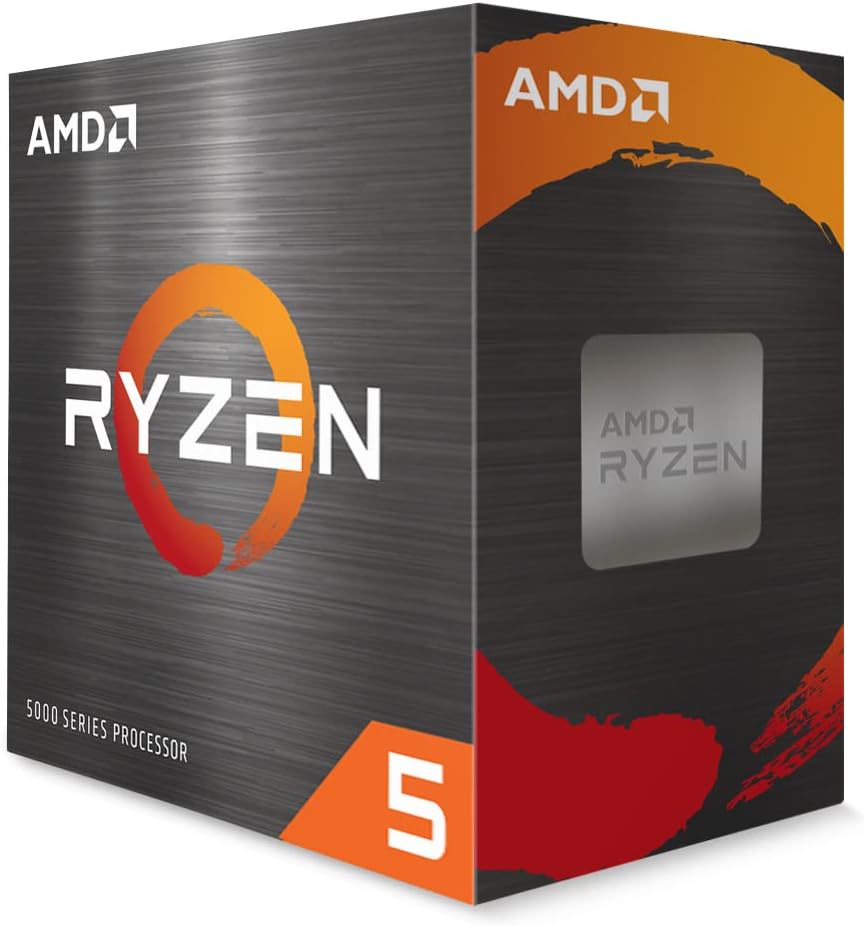
The AMD Ryzen 5 5500 stands out as a powerful low power CPU candidate that delivers exceptional multitasking capabilities through its six cores and twelve processing threads.
We may earn a commission when you buy through this link, at no additional cost to you.
Its unlocked nature allows enthusiasts to push clock speeds higher while the bundled Wraith Stealth cooler ensures manageable temperatures even under moderate load conditions.
Note that it requires a separate graphics card which adds to the total system cost but enables high frame rates in modern titles when paired with appropriate hardware.
Select this processor if you want robust performance for gaming and content creation on a budget and have a discrete GPU ready for your AM4 motherboard.
This chip offers more processing power per watt than many older competitors making it efficient for sustained workloads despite its higher core count.
It extends the life of AM4 systems with support for DDR4 memory and modern instruction sets that keep builds relevant for several more years.
We may earn a commission when you buy through this link, at no additional cost to you.
The Intel Celeron G5900 serves as a straightforward low power CPU for basic computing tasks where affordability and compatibility with newer chipsets are top priorities.
We may earn a commission when you buy through this link, at no additional cost to you.
Its dual-core design handles web browsing and media playback efficiently while the 58W TDP keeps cooling requirements minimal for small form factor desktops.
While it lacks extra threads for heavy workloads it supports Intel Optane Memory to boost storage performance in systems where budget constraints limit SSD upgrades.
Choose this unit if you need an affordable processor for light office work and already own a motherboard with a compatible LGA1200 socket slot.
Support for Intel Optane allows slower drives to perform faster reducing load times without requiring expensive NVMe storage in budget systems.
It runs standard applications smoothly ensuring that everyday tasks like email and video streaming remain responsive without excessive power draw.
We may earn a commission when you buy through this link, at no additional cost to you.
The Intel i7-2600S is a legacy low power CPU that still offers quad-core capabilities for users maintaining older systems where upgrading to modern platforms is not feasible.
We may earn a commission when you buy through this link, at no additional cost to you.
Its optimized cache subsystem and lower thermal output allow for quieter operation compared to standard i7 models while maintaining decent throughput for data-intensive apps.
However its age means it only supports DDR3 memory which may limit performance in modern software environments that rely on faster data transfer speeds.
This is a viable choice only if you have an existing LGA1155 system and need a drop-in replacement that consumes less power than the original stock CPU.
Its cache design prioritizes bandwidth efficiency which helps maintain responsiveness even when running multiple applications simultaneously on older hardware.
The lower power requirements translate to less heat which simplifies cooling in silent home theater or office PCs built around this processor.
We may earn a commission when you buy through this link, at no additional cost to you.
The AMD Athlon 200GE offers an attractive low power CPU solution by integrating Radeon Vega graphics which removes the need for a dedicated GPU in basic builds.
We may earn a commission when you buy through this link, at no additional cost to you.
With two cores and four threads it manages everyday computing smoothly while its 35W TDP ensures minimal heat generation for compact cases with limited airflow.
Although its cache is modest the platform supports future Ryzen upgrades allowing users to start small and expand performance later without changing the motherboard.
Buy this if you need a budget-friendly system for media playback and light gaming that relies on integrated visuals and can tolerate modest multitasking limits.
Its Vega GPU handles video playback and simple games well saving costs on graphics cards for users who do not need high-end visual performance.
The included cooler runs near silently which pairs well with the low power draw to create a truly quiet desktop for home or office environments.
We may earn a commission when you buy through this link, at no additional cost to you.
The Intel Celeron G3900 provides a solid low power CPU foundation for entry-level systems where basic functionality and cost-effectiveness are more important than high performance.
We may earn a commission when you buy through this link, at no additional cost to you.
Its dual-core architecture paired with a 2.80 GHz base frequency handles routine office applications efficiently while maintaining a low thermal profile suitable for passive cooling cases.
The retail packaging ensures you receive standard components needed for installation though the lack of overclocking capabilities limits flexibility for performance enthusiasts.
Select this processor for lightweight kiosks or home PCs where budget constraints dictate minimal spend and power savings are a key consideration for operation.
It excels at word processing and spreadsheet work ensuring that productivity software runs smoothly without requiring expensive high-end hardware investments.
The retail format includes standard mounting hardware making it easier for beginners to install without needing specialized tools or expertise.
We may earn a commission when you buy through this link, at no additional cost to you.
The Intel Celeron G4900 offers a slightly higher clock speed than its predecessors making it a viable low power CPU for tasks that benefit from faster single-threaded operations.
We may earn a commission when you buy through this link, at no additional cost to you.
Its compatibility with 300 series chipsets ensures broad motherboard availability while the included thermal solution simplifies setup for first-time builders.
Performance is steady for browsing and media but heavy multitasking may cause bottlenecks due to the dual-core configuration and lack of hyper-threading.
This unit is ideal for compact desktops where space is tight and power draw must remain low without sacrificing the ability to run standard applications smoothly.
The higher base frequency helps applications launch faster and respond more quickly to user inputs compared to older slower dual-core alternatives.
Including a thermal solution in the box saves extra costs and ensures that cooling is adequate for the specific TDP of this processor.
We may earn a commission when you buy through this link, at no additional cost to you.
This version of the Intel Celeron G3900 is a low power CPU tailored for professionals needing ECC memory support which enhances data integrity in specific workstation environments.
We may earn a commission when you buy through this link, at no additional cost to you.
It operates at 2.80 GHz with minimal power consumption allowing it to fit into systems where thermal constraints are tight and reliability is paramount over raw speed.
Since it arrives as CPU only you must provide your own cooler and paste which might complicate installation for novice users not accustomed to component sourcing.
Choose this model if your motherboard supports ECC RAM and you need a compact processor for a specialized build where data accuracy outweighs general consumer needs.
Support for ECC memory allows detection and correction of internal memory errors which is vital for financial or scientific computing tasks.
Its small footprint and low TDP make it suitable for mini PCs that rely on passive or very small fans for airflow inside tight cases.
We may earn a commission when you buy through this link, at no additional cost to you.
The Intel Celeron G5905 brings a modern low power CPU option with a 3.5GHz base clock that delivers snappy performance for single-threaded daily applications and browsing.
We may earn a commission when you buy through this link, at no additional cost to you.
Its LGA1200 socket compatibility ensures it works with newer 400 series motherboards providing access to updated features while keeping power draw reasonable for typical home use.
Packaged in a box you receive a stock cooler and mounting hardware which simplifies the build process and reduces the risk of cooling issues out of the box.
This processor is recommended for users building a new budget PC who want a balance of current platform support and low power efficiency without high costs.
It fits into systems with 400 series chipsets allowing users to access newer connectivity options while maintaining a low thermal profile.
The higher base frequency ensures that common tasks feel responsive even if the core count remains limited compared to multi-threaded alternatives.
We may earn a commission when you buy through this link, at no additional cost to you.
This unique product bundles a low power CPU onto a Mini-ITX motherboard creating a complete system for users who want an efficient home server without assembling discrete parts.
We may earn a commission when you buy through this link, at no additional cost to you.
Its 8-thread processor provides ample capability for virtualization and storage tasks while the dual 2.5G LAN ports enable robust networking for NAS or firewall applications.
The 15W TDP ensures minimal electricity usage for 24/7 operation though users should be aware of potential sleep mode issues that might require workarounds in firmware.
Buy this if you need a dedicated server unit that saves space and power but be prepared to handle initial configuration quirks for smooth ongoing operation.
The dual LAN ports support high-speed data transfers which is essential for network attached storage serving files to multiple clients simultaneously.
Built-in VT-x and VT-d features allow you to run multiple virtual machines on a single system for testing or isolated network services.
We may earn a commission when you buy through this link, at no additional cost to you.
Selecting the right processor requires balancing core counts with thermal design power to ensure your system meets performance needs without excessive heat or energy costs.
Thermal Design Power indicates how much heat a processor generates which dictates cooling requirements and electricity usage for your system build.
Look for CPUs under 65W if you want minimal heat and energy draw for silent or fanless cases.
More cores and threads allow for better multitasking but often increase power consumption and heat output in low power scenarios.
Choose at least four cores if you need smooth performance for multiple apps simultaneously without heavy gaming.
The CPU socket must match your motherboard exactly so verify the LGA or AM type before purchasing to avoid physical incompatibility issues.
Always check your motherboard manual for supported processor lists to ensure the unit fits and works correctly.
Integrated graphics eliminate the need for a dedicated video card saving money and reducing heat in compact systems.
Ensure the CPU includes graphics support if you do not plan to add a separate GPU to your build.
A platform that supports future processor upgrades lets you improve performance later without replacing the entire motherboard system.
Choose brands like AM4 or LGA1200 that have clear upgrade paths for better long-term value.
Larger cache memory helps the CPU access data faster improving performance in tasks like gaming or video editing.
Prioritize models with higher cache sizes if you plan to run memory-intensive applications regularly.
Some CPUs come with a fan which simplifies setup and guarantees adequate cooling for stock thermal design power.
If no cooler is included you must buy one separately which adds to the total cost and installation time.
Power efficiency determines how much energy is converted into useful work versus wasted heat affecting monthly electricity bills.
Select processors known for high efficiency ratings if your system runs continuously for work or media streaming.
Install the processor carefully into the motherboard socket aligning the corner arrows to avoid bent pins during the physical insertion process.
Apply thermal paste correctly and mount the cooler securely to ensure efficient heat transfer from the chip to the cooling solution.
Keep the internal area free of dust and monitor temperatures regularly to maintain stability and prevent potential overheating issues over time.
A low power CPU typically has a Thermal Design Power under 65W which helps reduce heat output and electricity consumption. These processors are optimized for efficiency rather than raw performance making them ideal for silent systems or 24/7 operation.
Basic low power CPUs struggle with modern AAA gaming but integrated graphics variants can handle eSports titles or older games. For better gaming you may need to pair one with a discrete graphics card to achieve high frame rates.
Yes if your motherboard socket supports newer generations you can upgrade to a faster processor later. Always verify compatibility with your specific motherboard model before purchasing any replacement unit.
Most low power CPUs can run with small fans or even passive cooling depending on the model and case airflow. However for stability and longevity using an included cooler is often recommended by the manufacturer.
Compared to high-end chips low power CPUs can save watts of power especially during idle or light tasks. This adds up significantly over time if the computer runs many hours each day for work.
Boxed processors include a retail box and often a cooler while tray versions come in bulk packaging without extras. Boxed units are easier to install but may cost more due to additional accessories.
The Ryzen 5 5500 and Mini-ITX system offer the best balance of performance and efficiency for most users needing power multitasking or server capabilities.
Prioritize thermal design power and socket compatibility to ensure your new processor fits your build goals and keeps energy costs low over time.
Always check current listings for availability and pricing since hardware stocks fluctuate frequently and deals may appear unexpectedly on popular models.