
Professional Dual-Channel Black Dynamic Processor
4.7Editor score
Dual channel precision control
VCA circuitry for vocals
Sidechain insert for ducking
This guide compares the top hardware compressors for home studios, evaluating performance, features, and value for vocalists and producers seeking professional
Hardware compressors provide essential dynamics control for home studios, shaping vocals and instruments with analog warmth that plugins often struggle to replicate fully in a virtual environment.
We compared ten top-rated units based on signal path quality, flexibility, and user feedback to identify the best options for varying budgets and workflow requirements in modern production spaces.
Each pick highlights unique strengths and trade-offs to help you choose the right tool for your specific needs while keeping in mind that availability and pricing can change over time.
4.7Editor score

4.6Editor score

3.4Editor score
The following table offers a side-by-side comparison of all ten selected hardware compressors, highlighting key specifications and features to assist in your final selection process for your studio setup.
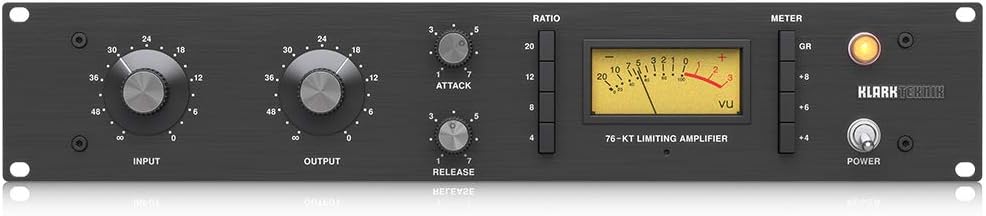


The dbx 266xs stands out as a versatile dynamics processor that balances ease of use with professional functionality for home studio environments effectively.
We may earn a commission when you buy through this link, at no additional cost to you.
Its precision LED displays for gain reduction and thresholds make it incredibly simple to dial in settings without guessing, ensuring consistent results across different sessions.
While it lacks the complex coloration of vintage units, the clean and reliable compression it provides is perfect for modern mixes that need clarity over character.
This unit is ideal for producers who need a reliable workhorse for both recording and live applications without breaking the bank on expensive boutique gear.
The separate LED displays allow you to see exactly how much compression or gating is occurring in real time for accurate adjustments.
The adaptive expander gate ensures that the release characteristics remain smooth regardless of the input signal dynamics you are processing.
We may earn a commission when you buy through this link, at no additional cost to you.
This dual-channel unit offers exceptional value by providing two independent compression channels in a compact rackmount format suitable for growing home studios.
We may earn a commission when you buy through this link, at no additional cost to you.
The Overeasy compression ensures a natural transition into gain reduction that prevents audible pumping or breathing even when aggressively compressing dynamic vocals.
Some users might find the enclosure feels lighter than higher-end units, but the signal path performance delivers clarity and control that belies its price point.
It is an excellent choice for streamers and podcasters who need to manage multiple audio sources simultaneously without investing in separate processors for each channel.
Overeasy technology softens the knee of the compression curve so that gain reduction happens gradually rather than abruptly for more natural sound.
Having two channels lets you process a vocal and a guitar simultaneously, or run one channel for vocals and another for drum compression.
We may earn a commission when you buy through this link, at no additional cost to you.
The Warm Audio WA-1B brings the legendary smoothness of optical compression to modern home studios with a faithful recreation of classic tube technology.
We may earn a commission when you buy through this link, at no additional cost to you.
Its single channel design focuses on quality over quantity, offering a distinct tonal coloration that thickens vocals and instruments in a musical and pleasing way.
While the price is higher than many solid-state options, the unique character it imparts justifies the cost for producers seeking that specific vintage analog signature.
This compressor is best suited for tracking sessions where you want to commit to a sound at the source rather than relying solely on plugins later in the mix.
Using an optical cell and tube design ensures that the compression reacts musically to the source material without harsh digital artifacts.
The internal tube circuit adds subtle harmonic saturation that can make recordings sound richer and more professional with less post processing.
We may earn a commission when you buy through this link, at no additional cost to you.
Modeled after the legendary 1176LN, this compressor captures the punch and character of classic FET compression essential for rock and pop recordings.
We may earn a commission when you buy through this link, at no additional cost to you.
The completely discrete signal path and Midas transformers ensure that the audio signal remains pristine while gaining that coveted analog edge and presence.
The limited ratio steps are intentional to match the original hardware design, allowing for precise selection of compression styles without overwhelming the user with options.
Ideal for drum buses and aggressive vocal tracking, this unit adds energy and excitement to tracks that might otherwise feel flat or lifeless in a digital mix.
A fully discrete path avoids integrated circuits that can color the sound negatively, preserving the purity of your source audio throughout processing.
The FET design provides incredibly fast attack times that capture transients effectively, making it perfect for controlling peaks and adding punch.
We may earn a commission when you buy through this link, at no additional cost to you.
The ART Solo VLA offers unique flexibility by allowing users to switch between tube and solid state compression modes to match the needs of different sources.
We may earn a commission when you buy through this link, at no additional cost to you.
Its variable blend control is particularly useful for parallel processing, enabling you to retain some of the original signal dynamics while adding the compressed character.
Users report high satisfaction due to the versatility and sound quality, making it a favorite for those who want one compressor that can handle many tasks.
This unit works well for tracking vocals or acoustic guitars where you might want the warmth of tubes for some parts and the clarity of solid state for others.
Switching between tube and solid state modes lets you choose the best tone for the source material without needing two separate units.
The blend knob mixes compressed and uncompressed signals so you can apply heavy compression without losing the natural transient detail of the source.
We may earn a commission when you buy through this link, at no additional cost to you.
This unit functions as a complete channel strip, combining a preamp with multiple dynamic and tonal processors to reduce the need for additional rack gear.
We may earn a commission when you buy through this link, at no additional cost to you.
The inclusion of a de-esser and enhancer alongside compression means you can manage sibilance and clarity at the input stage before it hits your interface.
While the array of features offers immense utility, beginners might find the number of knobs and sections daunting until they understand how each processor affects the signal path.
It is an excellent all-in-one solution for vocalists who want to process their microphone signal thoroughly with one device before sending it to their computer.
By combining a preamp with compression and de-essing, this unit saves rack space and simplifies the signal flow for home recording setups.
The enhancer section adds punch and shimmer to high and low frequencies, helping recordings cut through the mix more effectively.
We may earn a commission when you buy through this link, at no additional cost to you.
This dual-channel limiter is designed specifically to help vocalists and streamers manage their audio levels across two inputs simultaneously with ease.
We may earn a commission when you buy through this link, at no additional cost to you.
The VCA design ensures that the compression is consistent and predictable, which is vital for maintaining a steady volume during live broadcasts or voiceovers.
While it lacks the sophisticated controls of high-end units, the essential features provided are sufficient for most home users who need reliable gain reduction.
It serves well as a dedicated voice processor for podcasting or streaming setups where clear and controlled audio levels are a priority over exotic tonal coloration.
Voltage Controlled Amplifier circuits offer precise and repeatable compression which is ideal for maintaining consistent loudness in broadcast environments.
The ability to process two channels independently allows for complex setups like handling a host mic and a guest mic in one rack unit.
We may earn a commission when you buy through this link, at no additional cost to you.
Inspired by classic designs, this stereo compressor offers a rich and cohesive sound that is particularly well suited for gluing together mix buses and mastering chains.
We may earn a commission when you buy through this link, at no additional cost to you.
The dual channel flexibility allows for either stereo operation or independent mono processing, giving you versatility depending on the specific needs of your session.
The recovery presets adapt to the input signal automatically, helping users achieve smooth dynamics without constantly tweaking the release time during mixing.
For producers working on full mixes, this unit provides the analog depth and glue that can make a digital mix feel more like a unified and professional record.
Running your main mix through a stereo compressor adds cohesion, making individual elements feel like they belong to the same sonic space.
The custom transformers provide a warm and musical saturation that enhances the low end and adds depth to the overall sound character.
We may earn a commission when you buy through this link, at no additional cost to you.
The ART SCL2 provides a straightforward approach to dynamics processing with its ability to operate as dual independent channels or a linked stereo unit.
We may earn a commission when you buy through this link, at no additional cost to you.
The precise LED meters make it easy to monitor gain reduction levels accurately, which is essential for setting consistent compression across multiple tracks.
While it is more basic than other units on this list, its simplicity makes it a reliable tool for beginners who need to learn the fundamentals of compression.
This unit is a great budget option for users who need stereo compression for master busses without paying for advanced features they do not intend to use.
Linking the two channels ensures that the compression is applied evenly to both left and right signals, maintaining stereo balance.
The included gate function helps remove background noise when instruments are not playing, resulting in cleaner recordings overall.
We may earn a commission when you buy through this link, at no additional cost to you.
This professional stereo compressor is built to handle the dynamics of full mix buses with precision, using high quality transformers and VCA circuitry.
We may earn a commission when you buy through this link, at no additional cost to you.
The sidechain input filter allows you to target specific frequencies for ducking, making it easy to control elements like bass or kick without affecting the rest of the mix.
The five ratio options give you enough range to handle gentle leveling or aggressive control depending on the needs of your specific mix bus.
For producers looking for a reliable stereo compressor to finish their mixes, this unit offers the clarity and glue necessary for commercial quality audio results.
Designed specifically for stereo buses, this unit helps unify the track elements so the final mix sounds cohesive and punchy.
The input filter on the sidechain helps prevent low frequency rumble from triggering the compressor unnecessarily, allowing for cleaner dynamics control.
We may earn a commission when you buy through this link, at no additional cost to you.
Choosing the right hardware compressor involves understanding how different circuit types and features affect your specific recording workflow.
Different hardware compressors use different circuit topologies such as VCA, optical, or FET to control dynamic range. Each type has a distinct character; VCA is known for punch and clarity, optical for smooth and slow reactions, and FET for fast attack and presence.
Consider the musical style you produce and choose a circuit type that complements your source material.
Hardware compressors come as single channel, dual channel, or stereo units. A dual channel or stereo compressor is essential if you want to process stereo bus signals or two inputs simultaneously without buying two separate boxes.
Check if your workflow requires independent mono processing or if linked stereo control is more appropriate for your mix bus needs.
Most professional hardware units require standard 1U or 2U rack space. Ensure you have a rack case or desktop mounting solution available for the chosen compressor to keep your studio organized and safe.
Always measure your rack availability before purchasing to avoid fit issues later.
Some compressors offer a sidechain input that allows external signals to control compression levels. This is vital for ducking music when a voiceover speaks or for controlling bass when the kick drum hits.
If you need dynamic frequency control, look for a unit with a dedicated sidechain insert.
Verify that the compressor has the correct input connectors like XLR for microphones or TRS for line level signals. High quality transformers and balanced connections ensure signal integrity throughout your audio path.
Choose units with balanced inputs to minimize noise interference in your studio environment.
Prices vary widely from budget units to premium models. Determine how much you are willing to spend and look for units that offer the best feature set within that range without sacrificing build quality.
Sometimes a mid-range unit offers more utility than a very expensive one if it fits your specific needs better.
Visual feedback through LED meters makes it much easier to set compression thresholds accurately without relying on ear training alone. Units with clear labeling and intuitive control layouts reduce setup time.
Prioritize models that provide visual cues for gain reduction to speed up your workflow.
Some compressors are designed to be transparent while others add harmonic saturation and color. Decide whether you want the unit to simply control levels or to add character to your sound.
Try listening to samples or demos to ensure the tonal profile matches your aesthetic preferences.
Start by connecting the compressor between your source and your interface using balanced XLR or TRS cables to ensure the best possible signal quality.
Set the threshold so that the gain reduction meter shows movement only when peaks occur to avoid squashing the dynamic range too aggressively.
Store the unit in a dry and well ventilated area to prevent dust buildup and ensure proper cooling during long recording sessions.
Hardware compressors provide analog warmth and saturation that plugins struggle to replicate fully. They also allow you to commit to a sound before it reaches your computer, reducing CPU load during mixing.
VCA compressors are faster and more precise making them ideal for drums and mastering. Optical compressors react more slowly and naturally which is great for vocals and acoustic instruments.
Yes many of these units are designed for both studio and live applications. Look for features like sidechain inputs and durable rackmount chassis for live usage.
Ensure your input signal is not too hot before it reaches the compressor. Adjust the make up gain carefully so the output does not clip your interface.
A stereo compressor ensures linked operation which is crucial for maintaining the balance of a stereo mix. Two mono units can work but require manual matching of settings.
Look for basic controls like threshold ratio attack and release that are clearly labeled. Good LED metering and a reliable build quality are more important than exotic features.
Yes drum buses benefit greatly from compression to glue the kit together. Fast attack and release settings usually work best to preserve the punch while controlling the overall level.
We have reviewed ten distinct compressors ranging from versatile dual-channel units to specialized stereo processors to help you find the right match for your needs.
Prioritize features like sidechain inputs and visual metering to ensure you get the control necessary for professional results in your home recording environment.
Please check current availability and pricing on the links provided as these details are subject to change over time.