
5 Pack AMS1117-3.3 Regulator
4.1Editor score
Simple 3 pin design
0.8A output current
Overheat protection included
This guide compares the top 5V to 3V Voltage Regulator options for stable power in electronics projects featuring detailed specs and expert recommendations.
Finding the right 5V to 3V Voltage Regulator is essential for powering sensitive electronics like microcontrollers and sensors reliably.
We evaluated ten top-rated models based on output stability efficiency size and protection features to help you choose the best fit for your project.
Each pick shows key specs and real-world performance notes while prices may change so always verify current offers before ordering your next build.
4.1Editor score

4.6Editor score

5.0Editor score
The table below presents a side by side overview of all ten selected voltage regulator modules highlighting their core specifications and unique selling points.


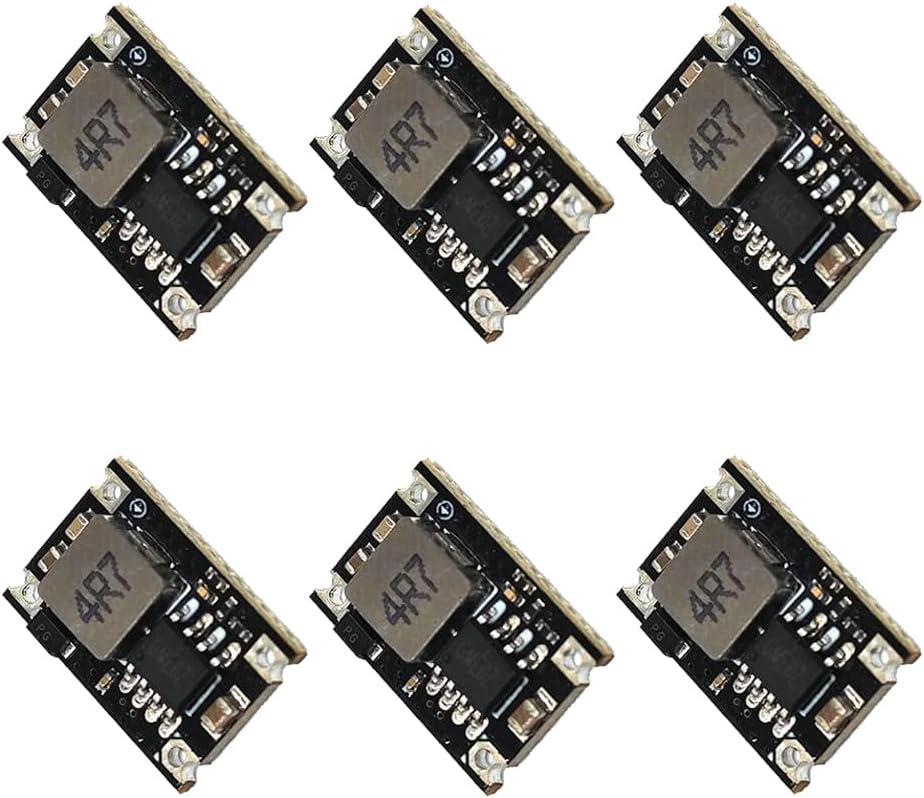
This 5 pack of buck converter modules offers exceptional value for anyone needing reliable 3.3V power from higher voltage sources.
We may earn a commission when you buy through this link, at no additional cost to you.
It supports input voltages from 4.5V to 24V making it compatible with 5V 9V 12V and 24V supplies for flexible use in diverse projects.
While the tiny size is great for tight spaces it can get warm under full load so ventilation or careful placement is recommended.
Ideal for makers and hobbyists this module delivers clean stable power for microcontrollers sensors and other low voltage electronics easily.
Its wide input range allows use with batteries power adapters and vehicle supplies without needing multiple regulator types.
With ripple below 30mV it ensures stable voltage for sensitive chips reducing the risk of resets or data errors.
We may earn a commission when you buy through this link, at no additional cost to you.
This linear regulator module is perfect for projects needing simple clean power without the complexity of switching converters.
We may earn a commission when you buy through this link, at no additional cost to you.
It accepts 4.75V to 12V input and provides a stable 3.3V output with a maximum current of 0.8A for small to medium loads.
While it may run hot under load the overheat shutdown feature protects your circuit from damage during prolonged use conditions.
Best for Arduino STM32 and similar MCUs this module simplifies power design with a straightforward 3 pin layout and reliable performance.
The 3 pin setup makes connections quick and error free for beginners and pros alike.
Overheat and overload protection ensure your board stays safe even if the load exceeds expectations temporarily.
We may earn a commission when you buy through this link, at no additional cost to you.
This converter handles inputs from 1.8V to 5V stepping up or down to maintain a steady 3.3V for low power devices.
We may earn a commission when you buy through this link, at no additional cost to you.
It is designed for small currents up to 100mA which fits perfectly with sensors and low consumption microcontrollers in portable projects.
While not suitable for motors or high draw loads it excels in applications where space and flexibility matter most.
Perfect for IoT and battery devices this module ensures your electronics stay powered even as battery voltage drops during use.
Whether your source is below or above 3.3V it adjusts to keep your device powered steadily.
Its design minimizes current draw so batteries last longer in portable wearables or remote sensors.
We may earn a commission when you buy through this link, at no additional cost to you.
This mini buck converter delivers high current up to 1.8A in a remarkably small footprint ideal for space constrained designs.
We may earn a commission when you buy through this link, at no additional cost to you.
With input from 4.5V to 24V it handles various power sources while maintaining a clean 3.3V output under heavy loads.
The high switching frequency reduces external component needs but heat management is key when pushing near max current.
Recommended for drones wearables and tight PCB layouts this module balances performance size and cost better than most alternatives.
Despite its size it handles significant current without collapsing voltage for stable operation.
A 1.5MHz switch rate allows smaller capacitors and inductors making integration into tight layouts easier.
We may earn a commission when you buy through this link, at no additional cost to you.
This pack of linear regulators provides a straightforward solution for 3.3V power in small to medium voltage electronics.
We may earn a commission when you buy through this link, at no additional cost to you.
Supporting 4.75V to 12V input it offers a steady 3.3V output up to 800mA with built in overheat protection for safety.
While it can warm up under load its simplicity makes it ideal for prototyping and educational electronics projects.
Best for low noise needs this module supports common MCUs like MSP430 and STM32 without extra circuitry or complexity.
Overheat shutdown prevents damage if airflow is restricted or load spikes unexpectedly.
Three pins mean no complex wiring so new users can focus on circuit logic instead of power design.
We may earn a commission when you buy through this link, at no additional cost to you.
This 15 pack of AMS1117 regulators ensures you always have a spare on hand for future projects or replacements.
We may earn a commission when you buy through this link, at no additional cost to you.
With 4.75V to 12V input it delivers accurate 3.3V output within 2 percent making it reliable for precision sensors.
The low dropout feature helps maintain regulation even as input voltage drops close to output which aids battery longevity.
Great for storage and prototyping this module supports Arduino STM32 and other common boards with minimal setup hassle.
Tight tolerance ensures consistent readings from analog sensors or calibration tools.
Operating from -40C to 125C means it handles extreme environments without failing.
We may earn a commission when you buy through this link, at no additional cost to you.
This buck converter board handles high input voltage up to 30V making it versatile for automotive or industrial uses.
We may earn a commission when you buy through this link, at no additional cost to you.
It provides 1.8A output with low ripple for stable power in motors and LEDs as well as microcontrollers.
While some users report mixed experiences its compact design suits tight PCB layouts where space is at a premium.
Best for prototyping and small production this module balances voltage range and current capacity well for varied electronics.
Accepting 5V to 30V input it works with batteries and adapters without extra conversion steps.
1.5MHz frequency minimizes ripple and keeps noise low for sensitive components.
We may earn a commission when you buy through this link, at no additional cost to you.
This buck converter supports an impressively wide input range from 4.5V to 30V which covers most common voltage sources.
We may earn a commission when you buy through this link, at no additional cost to you.
It delivers up to 1.8A with ripple under 30mV so your microcontrollers and sensors receive clean stable power.
Despite its tiny footprint it handles significant loads though airflow or spacing helps maintain optimal temperatures.
Perfect for Arduino Raspberry Pi and ESP32 projects it simplifies power supply design with straightforward wiring.
From solar panels to 24V adapters it adapts to many power sources without extra hardware.
Fits in tight wearable or drone builds where board space is extremely limited.
We may earn a commission when you buy through this link, at no additional cost to you.
This module is optimized for common 5V USB or logic level inputs making it easy to plug into microcontroller boards.
We may earn a commission when you buy through this link, at no additional cost to you.
It outputs a steady 3.3V at up to 800mA which covers most sensor and MCU needs without extra regulation.
With automatic adjustment features it adapts to slight input changes to keep voltage consistent under varying loads.
Best for 5V systems this pack is cost effective for prototyping and educational kits with low power demands.
Works directly from 5V USB sources ideal for hobby and school electronics without external supplies.
Ten units per pack lower cost per build so you can stock up for multiple projects.
We may earn a commission when you buy through this link, at no additional cost to you.
Using the MP1584EN chip this module offers reliable high efficiency power conversion in an ultra thin form factor.
We may earn a commission when you buy through this link, at no additional cost to you.
It supports input from 4.5V to 24V delivering up to 1.8A with ripple under 30mV for clean operation.
When driving motors or servos add external protection to avoid feedback ripple that could affect sensitive chips.
Recommended for aircraft models and tight embedded builds it delivers robust performance where space and efficiency matter.
MP1584EN provides high efficiency and stability reducing heat and power loss.
At just 3.6mm high it fits under displays or inside enclosures with minimal clearance.
We may earn a commission when you buy through this link, at no additional cost to you.
Selecting the right voltage regulator depends on your input source current needs and space constraints so consider these key factors before buying.
Ensure the regulator accepts your power source voltage whether it is a 5V USB battery 12V adapter or higher to avoid damage.
A wider range gives flexibility for future changes or multi-source setups without swapping components.
Check the maximum current rating and match it to your load requirements plus some headroom for stability and longevity.
Exceeding the current limit can cause overheating voltage drop or permanent damage to the module and your circuit.
Miniature modules save space but may require more careful thermal management and soldering precision than larger boards.
Consider your enclosure and layout needs to choose a size that fits without compromising performance or cooling.
Switching regulators are efficient and handle higher currents well while linear ones offer simpler design with less electrical noise.
Choose based on whether efficiency or low noise is more important for your specific application and power source.
Look for built in protections like overheat overcurrent and short circuit safeguards to keep your system safe during faults.
These features prevent damage from accidental wiring errors or unexpected load spikes in real world use.
Low output ripple ensures sensitive electronics like sensors and radios run without glitches or data errors.
Modules with ripple under 30mV are ideal for precision projects and stable microcontroller operation.
Buying in multi-packs reduces cost per unit and provides spares for testing or future builds without extra shipping.
Consider your project pipeline and how many units you realistically need over time before choosing pack size.
Some modules come with headers or mounting holes while others require manual soldering to your PCB or breadboard.
Choose based on your skill level and whether you need quick plug-in use or permanent assembly.
Connect the input terminals to your power source and ensure polarity matches the marked VIN and GND pins to avoid short circuits.
Attach the output to your load and add decoupling capacitors if your regulator needs them for stability at high currents.
Keep the module ventilated and avoid covering it during high current use to prevent overheating and maintain safe operating temperatures.
Most modern 3.3V logic devices expect 3.3V not 3V so use a 3.3V regulator for Arduino ESP32 and similar boards. A true 3V regulator is rare and used only for legacy hardware.
No check the input range on the regulator. Many accept 4.5V to 24V or 5V to 30V but some linear types are limited to 12V. Exceeding limits can damage the module.
For currents below 800mA many mini modules don't need a heatsink. Above that or in enclosed spaces adding airflow or a small heatsink helps prevent thermal shutdown.
This may be due to exceeding current limits or high resistance in wiring. Check your load current and ensure thick enough wires and good solder joints for best results.
Yes most 3.3V regulators work with Pi GPIO pins but ensure your load stays within current limits. Always power the Pi from a proper stable 5V source for stable operation.
No connecting regulators in series is not recommended and can cause instability. Use a single regulator that matches your input and output needs instead.
The top picks offer reliable performance with the buck converter pack standing out for its versatility and the AMS1117 options for simplicity.
Prioritize input range and current capacity to match your power source and load while keeping size and thermal needs in mind for your project.
Always verify current pricing and stock before buying since offers change and bulk packs often provide better value for ongoing electronics builds.